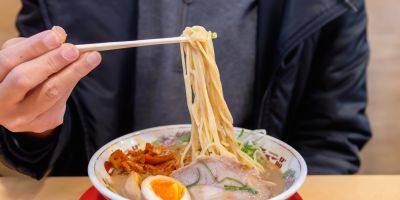
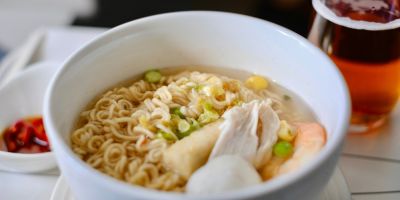
Although sakura doesn’t appear on our menu, its cultural significance inspires us as we craft every bowl of ramen with thought and care. From rich broths to delicate toppings, we believe in honoring the heritage behind each dish. And if you’re craving authentic ramen near you in Houston, we’re here to offer a flavorful experience that goes beyond the bowl. Whether you’re a longtime ramen lover or new to Japanese cuisine, Tamashi is your local destination for ramen near you in Houston—rooted in tradition, served with heart.
A History in Bloom
The connection between Japan and cherry blossoms dates back over a thousand years. During the Nara period (710–794 B.C.E.), aristocrats would gather beneath the cherry trees to compose poetry, admire the blossoms, and enjoy food and drink. These practices formed the foundation of today’s hanami. Over the centuries, sakura grew from an aristocratic pastime to a national celebration, cherished by everyone from emperors to everyday citizens.
Symbolically, sakura became a metaphor for life itself—beautiful, fleeting, and worthy of appreciation. Their annual bloom represents the cycle of death and rebirth, which deeply aligns with Shinto beliefs and Japanese philosophies like mono no aware, which is the appreciation of transience. These blossoms also became interwoven with cultural rituals, from seasonal festivals to spiritual ceremonies, embedding themselves into Japan’s cultural DNA.
From Tree to Table
Sakura’s impact didn’t stop at poetry and parks. It made its way to the plate. For centuries, Japanese cuisine has embraced the flower as a seasonal delicacy. Blossoms are often salt-pickled and used to make sakurayu (cherry blossom tea), traditionally served at weddings as a symbol of new beginnings. Sakura leaves, also preserved through pickling, are used to wrap sakura mochi, a springtime sweet made with glutinous rice and red bean paste.
The origins of cooking with cherry blossoms are believed to be both practical and celebratory. Pickling preserved the fleeting beauty of the flowers, allowing people to enjoy a taste of spring even after the season had passed. Over time, chefs and home cooks began to incorporate sakura into cookies, jellies, rice dishes, and even savory items like tempura or onigiri.
Today, sakura remains a seasonal favorite, often appearing in menus during late March and April. The gentle floral flavor and subtle aroma of cherry blossoms continue to be a sensory reminder of spring’s arrival.
A Worldwide Phenomenon
As Japanese cuisine gained popularity worldwide, so too did sakura’s culinary presence. From sakura lattes in trendy cafés to cherry blossom-flavored macarons and mochi sold in international grocery stores, this iconic bloom has been embraced globally, especially in regions with strong Japanese cultural ties like the U.S., Europe, and Southeast Asia.
Many Houston ramen restaurants often feature limited-edition sakura menus or drinks during spring, celebrating both the ingredient and the aesthetic appeal. Even in places without cherry trees of their own, diners recognize sakura as a symbol of seasonal elegance and Japanese authenticity. While some Houston ramen restaurants use artificial cherry flavoring or colored floral elements to capture the flower’s essence, the inspiration still stems from Japan’s tradition of eating with the seasons.
This global embrace of sakura cuisine not only highlights the flower’s visual and culinary appeal. It also serves as a soft ambassador of Japanese culture, sharing centuries of history and appreciation for nature’s rhythm with new audiences.
Flavors Rooted in the Heart of Culture
At Tamashi, we believe that great food tells a story—and in Japanese cuisine, few ingredients embody that story quite like sakura. While we don’t use cherry blossoms in our dishes, we deeply admire how this seasonal flower reflects the values of Japanese culture: beauty, mindfulness, and living in the moment. If you're seeking authentic sushi near you in Houston, those same values inspire everything we serve.