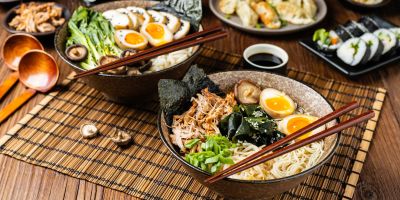
Today, Japanese mayo is more than just a topping. It has become a global favorite in kitchens and restaurants, even here at Tamashi. We incorporate it into dishes inspired by Japanese food and Southeast Asian traditions.
Understanding what sets Japanese mayo apart requires a look at its origins, how it has evolved, and why it has earned its place as an international staple.
A Brief History: From Western Inspiration to Japanese Innovation
Japanese mayonnaise traces its origins to the early 20th century. The first commercial version was produced by Keizaburo Kewpie Nakashima in 1925 after he discovered American mayonnaise during a visit to the United States. Rather than replicating it exactly, Nakashima returned to Japan determined to improve it. His goal was to create a richer, more flavorful product tailored to Japanese tastes and culinary habits.
Unlike American mayo, which traditionally uses whole eggs and distilled vinegar, Japanese mayo was formulated using egg yolks only. This subtle but significant change resulted in a smoother, silkier texture and a deeper umami presence. Instead of sharp, bright acidity, Japanese mayo relied on rice vinegar or apple cider vinegar, creating a gentler tang that paired well with Japanese ingredients like seafood, vegetables, and noodles.
By the mid-century, Japanese mayo was widely used in households, obento lunches, and emerging street foods. Its creamy texture and balanced flavor made it compatible with both traditional and modern Japanese dishes. Over time, this condiment became one of the most recognizable components of postwar Japanese food culture.
Modernization and Ingredient Refinement
As Japanese cuisine became more global, so did the expectations for quality and purity. Modern Japanese mayonnaise is known for its carefully sourced ingredients, distinctive emulsification method, and commitment to consistency. Brands producing Japanese mayo focus on:
- Egg-yolk–only formulas for richness
- Milder vinegars that enhance rather than overpower
- Vegetable oils selected for neutral, clean flavor
- Umami-forward seasoning that complements savory dishes
The result is a condiment that tastes balanced rather than sharp, full-bodied rather than oily, and refined without being heavy.
Japanese mayo also underwent packaging changes intended to improve freshness. The, now iconic, squeeze bottle helped limit oxidation, allowing the product to retain flavor and texture longer. This innovation contributed to its growing popularity among both home cooks and professional chefs, including those who work with Houston ramen, sushi, yakitori, and other Asian cuisine found at Tamashi.
How Japanese Mayo Is Used Today
While Japanese mayo remains a staple in many traditional dishes, its modern uses have expanded significantly. It appears in countless forms across Japanese cuisine:
- Okonomiyaki and takoyaki, where the mayo adds creamy contrast
- Sushi rolls, especially spicy mayo varieties
- Karaage, where it provides a cool, rich counterpoint to crispy chicken
- Ramen toppings, particularly in contemporary and fusion styles
- Sandwiches and obento meals, offering moisture and flavor without overwhelming
Outside Japan, chefs use Japanese mayo to add depth to dressings, marinades, and dipping sauces. Its richness enhances roasted vegetables, grilled seafood, and noodle dishes alike. At Tamashi, it helps bridge Japanese flavors with Southeast Asian influences, creating profiles that feel familiar yet elevated.
The Global Rise of Japanese Mayo
Over the past two decades, Japanese mayonnaise has expanded far beyond Japan’s borders. Its ascent in the global market can be attributed to several key factors:
The Rise of Japanese and Asian Cuisine Worldwide
As Japanese restaurants, ramen shops, and Asian fusion establishments grew in popularity, so did demand for authentic ingredients. Diners wanted the flavors they encountered in dishes like ramen, sushi, and donburi. Through these meals, Japanese mayo became a recognizable marker of authenticity.
Social Media Influence
Food creators frequently highlight Japanese mayo for its texture and taste. Videos comparing American and Japanese mayo helped drive curiosity and adoption, particularly among home cooks.
Versatility and Flavor Depth
Because Japanese mayo blends easily into sauces and coatings, chefs across cultures adopted it. From fine dining to fast-casual kitchens, it became an ingredient that enhances without overshadowing.
Consistency and Quality Standards
Japanese food products are often associated with precision and reliability. Japanese mayo fits this expectation, earning trust in global markets.
Today, Japanese mayo stands alongside ingredients like soy sauce, miso, and ramen noodles as a pantry staple that transcends borders.
A Condiment Worth Knowing
Tsukemen also plays nicely with spice. The thick noodles carry spicy notes beautifully, and the concentrated broth amplifies every chili, every hint of heat, every layer of flavor. It’s not overwhelming, but it definitely lets you know it has something to say.
A Dish That Feels Like a Hug
Japanese mayonnaise is more than a variation of a familiar Western condiment. It is a reflection of Japan’s culinary philosophy of creating thoughtful, balanced, and ingredients deeply rooted in technique. Its smooth texture, subtle acidity, and unmistakable umami make it a standout ingredient, whether drizzled over okonomiyaki or added to a modern ramen bowl here in Houston.
As its influence continues to spread, Japanese mayo proves that even the simplest ingredients can carry history, innovation, and global appeal. Dine at Tamashi today and get a taste of this condiment that’s taking over the world!